






Nepal, the United Provinces, Bengal, Western India, Sindh and Punjab each have a large collection. Some of the legends regarding Shri Gorakshanath are given below:
नेपाल, संयुक्त प्रान्त, बङ्गाल, पश्चिमी भारत, सिन्ध र पञ्जाब प्रत्येकमा ठूलो संग्रह छ। श्री गोरक्षनाथ सम्बन्धी केही किंवदन्तीहरू यस प्रकार छन्:
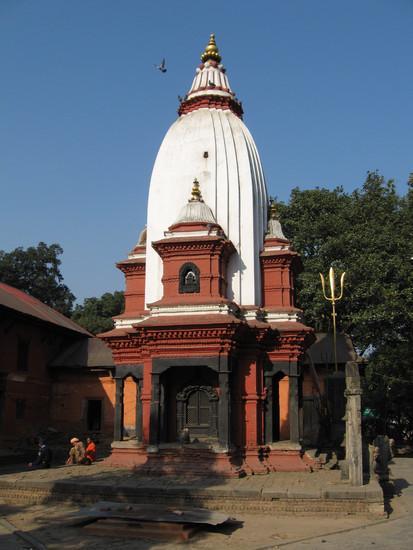
(1) The spiritual descent of Gorakshanath is recorded in many places. All these traditions agree in placing two Gurus before him, Adinath and Matsyendranath. His followers, considering him supernatural, often refuse to give the time and place of his origin. However, statements are made about his movements in this era. The Nepalese believe that he came to Kathmandu from the Punjab, or at least from outside the boundaries of his kingdom. And he is said to have lived near the temple of Pashupatinath in Kathmandu. He is also claimed as a saint of Awadh.
(१) गोरक्षनाथको आध्यात्मिक अवतरण धेरै ठाउँमा रेकर्ड गरिएको छ। यी सबै परम्पराहरू उहाँको अगाडि दुई गुरु, आदिनाथ र मत्स्येन्द्रनाथ राख्न सहमत छन्। उहाँका अनुयायीहरूले उहाँलाई अलौकिक मान्ने भएकोले उहाँको उत्पत्तिको समय र स्थान दिन प्रायः अस्वीकार गर्छन्। यद्यपि, यस युगमा उहाँको चालचलनको बारेमा बयानहरू दिइन्छ। नेपालीहरूको धारणा छ कि उहाँ पञ्जाबबाट, वा कमसेकम आफ्नो राज्यको सीमाभन्दा बाहिरबाट काठमाडौँ आउनुभएको थियो। र उहाँ काठमाडौँको पशुपतिनाथको मन्दिर नजिकै बस्नुहुन्थ्यो भनिन्छ। उहाँलाई अवधको सन्तको रूपमा पनि दाबी गरिन्छ।
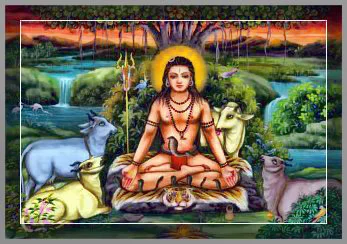
(2) Some Nath saints say that their sect existed before the world came into existence. Their story is that when Vishnu emerged from the lotus to create all things, Gorakshanath was in Patal. Vishnu, terrified by the waste of water, went to Patal and begged Gorakshanath for help. Being kind to the god, he gave him a handful of ashes from his dhuni and said that if he sprinkled the ashes on the water, he would be able to create the world. Shri Gorakshanath did as he promised, and then Brahma, Vishnu and Shiva became the first disciples of Shri Gorakshanath.
(२) केही नाथ सन्तहरू भन्छन् कि संसार अस्तित्वमा आउनुभन्दा पहिले नै तिनीहरूको सम्प्रदाय अस्तित्वमा थियो। तिनीहरूको कथा यो छ कि जब विष्णु सबै चीजहरूको सृष्टिमा कमलबाट निस्केका थिए, गोरक्षनाथ पातालमा थिए। पानीको बर्बादी देखेर भयभीत विष्णु पाताल गए र गोरक्षनाथलाई सहयोगको लागि बिन्ती गरे। देवताप्रति दयालु हुँदै उनले आफ्नो धुनीबाट मुठ्ठीभर खरानी दिए र भने कि यदि उनले त्यो खरानी पानीमाथि छर्के भने उनी संसारको सृष्टि गर्न सक्षम हुनेछन्। श्री गोरक्षनाथले प्रतिज्ञा गरे जस्तै भयो, र त्यसपछि ब्रह्मा, विष्णु र शिव श्री गोरक्षनाथका प्रथम शिष्य बने।
(3) In many places, Gorakshanath is seen as a human teacher outside the normal rules of time, who has appeared on earth in different ages (yugas). He is said to have resided in Peshawar in Punjab, beyond Lahore in the Satya (Krit) Yuga; in Gorakhpur in the Treta Yuga; in Hurmuz beyond Dwarka in the Dwapara Yuga; and in Gorakhmari (Gorakhmandi) in Kathiawar, three months’ journey west from Gorakhpur in the Kali Yuga.
(३) धेरै ठाउँहरूमा गोरक्षनाथलाई समयको सामान्य नियमभन्दा बाहिर मानव शिक्षकको रूपमा हेरिन्छ, जो विभिन्न युग (युग) मा पृथ्वीमा देखा परेका छन्। उनी सत्य (कृत) युगमा लाहोरभन्दा पर पञ्जाबको पेशावरमा; त्रेता युगमा गोरखपुरमा; द्वापर युगमा द्वारकाभन्दा पर हुर्मुजमा; र कलियुगमा काठियावाडको गोरखमारी (गोरखमण्डी) मा गोरखपुरबाट पश्चिममा तीन महिनाको यात्रामा बसेको भनिन्छ।
(4) Current tradition makes Matsyendranath the guru of Gorakshanath. Kabir Gorakshanath in his Shri Gorakshanath Ki Gosthi refers to himself as the son of Matsyendranath and the grandson of Adinath.
Although Adinath may have been a yogi before Matsyendranath, he is now identified with Shiva and this name is used in attempts to trace the origin of the sect to Shiva, the great god of yogis.
(४) वर्तमान परम्पराले मत्स्येन्द्रनाथलाई गोरक्षनाथको गुरु बनाउँछ। कबीर गोरक्षनाथको श्री गोरक्षनाथ की गोष्ठीमा आफूलाई मत्स्येन्द्रनाथको छोरा र आदिनाथको नाति भनेर उल्लेख गरिएको छ। यद्यपि आदिनाथ मत्स्येन्द्रनाथभन्दा पहिलेका योगी हुन सक्छन्, तर अब उनलाई शिवसँग चिनिन्छ र यो नाम योगीहरूको महान् देवता शिवलाई सम्प्रदायको उत्पत्ति पत्ता लगाउने प्रयासमा प्रयोग गरिन्छ।
(5) Much human interest centres around Matsyendranath, who is close to Gorakshanath. He is the patron deity of Nepal, who presides over the fortunes of the kingdom. He is regarded as a Buddhist saint, an incarnation of Padmapani or Avaliketswara. He is apparently from somewhere outside the kingdom, as he is said to have come to Nepal at the behest of the Buddha. It is said that Aryavlokiteshvara Padmapani Bodhisattva taught Shiva yoga. On his way home, after receiving his instructions, Shiva explained the principles to Parvati on the seashore. While Shiva was speaking, he fell asleep, but Lokeshwar heard him in the guise of a fish. As a result, he is known as Matsyendranath.
(५) धेरै मानवीय चासो मत्स्येन्द्रनाथको वरिपरि केन्द्रित छ, जो गोरक्षनाथको नजिक छन्। उनी नेपालका संरक्षक देवता हुन्, जसले राज्यको भाग्यको अध्यक्षता गर्छन्। उनलाई बौद्ध संत, पद्मपाणिको अवतार वा अवलिकेतेश्वरको रूपमा मानिन्छ। उनी स्पष्ट रूपमा राज्य बाहिरको कुनै ठाउँका हुन्, किनकि उनी बुद्धको आदेशमा नेपाल आएका थिए भनिन्छ। भनिन्छ कि आर्यवलोकितेश्वर पद्मपाणि बोधिसत्वले शिवलाई योग सिकाएका थिए। घर फर्कने क्रममा, उनको निर्देशन पाएपछि, शिवले समुद्र किनारमा पार्वतीलाई सिद्धान्तहरू व्याख्या गरे। शिव बोल्दै गर्दा उनी निदाए, तर लोकेश्वरले माछाको भेषमा त्यो सुने। फलस्वरूप उनलाई मत्स्येन्द्रनाथ भनेर चिनिन्छ।
(6) Another legend tells how Matsyendranath was brought to Nepal from the Kapotal mountain in Assam to save the country from a twelve-year drought brought on by Shri Gorakshanath.
(६) अर्को किंवदन्तीले श्री गोरक्षनाथले ल्याएको बाह्र वर्षको खडेरीबाट देशलाई बचाउन मत्स्येन्द्रनाथलाई आसामको कपोटल पर्वतबाट नेपालमा कसरी ल्याइयो भनेर बताउँछ।
(7) There is a legend that places Matsyendra in the Hindu social order. A king who lived in the Satya Yuga, Udhodhar, was extremely pious. When he died, his body was cremated, but his navel was not burned. This burnt part of his body was thrown into the river and eaten by a fish, which later gave birth to Matsyendra. Having been a good man in his previous birth, he became a saint.
(७) एउटा किंवदन्ती छ जसले मत्स्येन्द्रलाई हिन्दू सामाजिक व्यवस्थामा स्थान दिन्छ। सत्ययुगमा बाँचेका एक राजा, उधोधर अत्यन्तै धर्मी थिए। उनको मृत्यु हुँदा, उनको शरीरलाई दाहसंस्कार गरियो, तर उनको नाभि जलेन। उनको शरीरको यो जलेको भाग नदीमा फ्याँकियो र माछाले खायो, जसले पछि मत्स्येन्द्रलाई जन्म दियो। आफ्नो अघिल्लो जन्ममा असल मानिस भएको कारणले गर्दा, उनी सन्त बने।
(8) In one legend, Matsyendra is depicted as having gone to Ceylon where he became infatuated with the queen of the country. When Gorakshanath heard of the downfall of his guru, he went to Ceylon in search of her. He found his guru in the palace hall and called him to account. Matsyendra then left the queen, but took his two sons with him. They later became Parasnath and Nimnath, the founders of Jainism.
(८) एउटा किंवदन्तीमा मत्स्येन्द्रलाई सिलोन गएको रूपमा चित्रण गरिएको छ जहाँ उनी देशकी रानीप्रति मोहित भएका थिए। जब गोरक्षनाथले आफ्नो गुरुको पतनको बारेमा सुने, उनी उनको खोजीमा सिलोन गए। उनले दरबारको हलमा आफ्नो गुरुलाई भेट्टाए र उनलाई जवाफदेही बनाउन बोलाए। त्यसपछि मत्स्येन्द्रले रानीलाई छोडे, तर आफ्ना दुई छोराहरूलाई पनि आफूसँगै लगे। पछि तिनीहरू पारसनाथ र निमनाथ बने, जैन धर्मका संस्थापक।
(9) In a Nepali version of the story, Matsyendra, through his yogic powers, left his body in the care of his disciple Gorakshanath and entered the body of the king in his deathbed. In this state, he was tempted. Fortunately, Gorakshanath, who was taking care of his body, called him back to consciousness and the guru returned to his own body.
(९) एउटा कथाको नेपाली संस्करणमा, मत्स्येन्द्रले आफ्नो योग शक्तिको माध्यमबाट आफ्नो शरीर आफ्नो शिष्य गोरक्षनाथको हेरचाहमा छोडे र मृत अवस्थामा राजाको शरीरमा प्रवेश गरे। यस अवस्थामा उनी प्रलोभनमा परे। भाग्यवश, आफ्नो शरीरको हेरचाह गरिरहेका गोरक्षनाथले उनलाई होशमा फिर्ता बोलाए र गुरु आफ्नै शरीरमा फर्किए।
(10) Furthermore, Kabir (1440-1518), to whom Nanak was largely indebted for his teachings, is believed to have been a contemporary of Gorakshanath. A dispute between Kabir and Gorakshanath is recorded in the Gorakshanath Ki Gosthi. Based on this context, Wilson has estimated that Gorakshanath dates back to the fifteenth century.
(१०) यसबाहेक, कबीर (१४४०-१५१८), जसप्रति नानक आफ्नो शिक्षाको लागि धेरै हदसम्म ऋणी थिए, गोरक्षनाथका समकालीन भएको मानिन्छ। गोरक्षनाथ की गोष्ठीमा कबीर र गोरक्षनाथ बीचको विवाद रेकर्ड गरिएको छ। यसै सन्दर्भको आधारमा विल्सनले गोरक्षनाथ पन्ध्रौं शताब्दीका हुन् भन्ने अनुमान लगाए।
(11) Another cycle of legends from Punjab, that of King Raslu and his half-brother, Puran Bhagat, is closely associated with Gorakshnath. Raslu’s name is famous from Afghanistan to Bengal, and Puran is one of the most famous saints of Punjab. Both became followers of Gorakshnath, and Puran in particular became a famous yogi. The well where Puran was left for twelve years is still seen in Sialkot. Raslu was the son of the famous Salvahan of Sialkot.
(११) पञ्जाबका किंवदन्तीहरूको अर्को चक्र, राजा रसलु र उनका सौतेनी भाइ, पुरण भगतको, गोरक्षनाथसँग घनिष्ठ रूपमा सम्बन्धित छ। रसलुको नाम अफगानिस्तानदेखि बंगालसम्म प्रसिद्ध छ, र पुरण पंजाबका सबैभन्दा प्रसिद्ध सन्तहरू मध्ये एक हुन्। दुवै गोरक्षनाथका अनुयायी बने, र विशेष गरी, पुरण एक प्रसिद्ध योगी बने। पुरणलाई बाह्र वर्षसम्म छोडिएको इनार अझै पनि सियालकोटमा देखाइएको छ। रसलु सियालकोटका प्रसिद्ध सालवाहनका छोरा थिए।
(12) There is another cycle of legends centred around Gopichand, Queen Pingla and Bhartrahari.
(१२) गोपीचन्द, रानी पिंगला र भर्त्रहरीको वरिपरि केन्द्रित किंवदन्तीहरूको अर्को चक्र छ।
(स्राेतः विभिन्न धार्मिक ग्रन्थ तथा किम्बदन्तीहरूबाट संकलित)